Houston pest control
Find the source. Then treat what matters.
Choose the concern and confirm the ZIP code to prepare the right inspection.
Oak Forest field record TR-0417
An inspection should show how the conclusion was reached.
Follow one fictional exclusion review from a visible condition to a documented service option.
A visible gap surrounds the exterior conduit. The photo records the condition and its location without claiming a confirmed pest route.
Record the opening before deciding what it means.See the complete inspection standard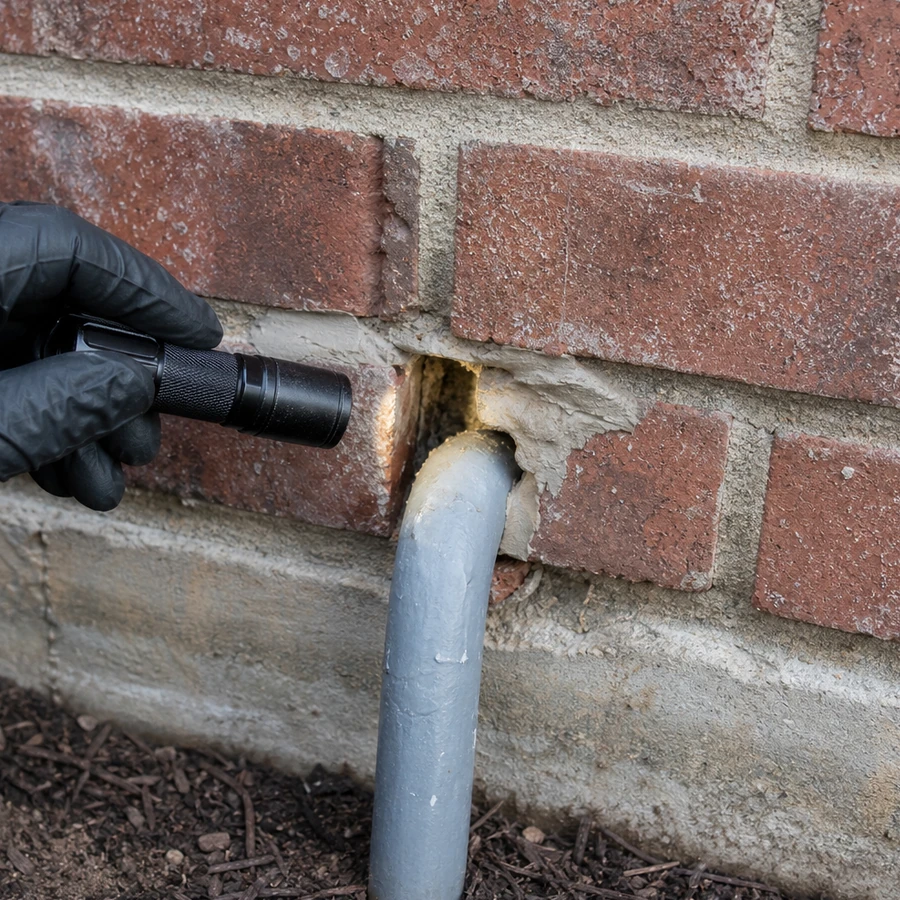
Homeowner concern finder
Start with what changed around the property.
Each concern points to a different inspection path. The service follows the finding.
General pest
Ants, roaches, spiders, silverfish, earwigs, and the conditions that keep activity returning.
Rodent exclusion
Roofline, garage, utility, foundation, and crawl-space routes documented before closure.
Termite review
Activity, conducive conditions, treatment access, and monitoring explained as one property plan.
Mosquito pressure
Breeding zones, shade, water, and resting areas mapped before a recurring treatment plan.
Daily Houston routes
Coverage built around neighborhoods and housing stock.
- NorthwestOak Forest, Garden Oaks, Spring Branch
- CentralThe Heights, Montrose, West University
- West and southwestMemorial, Bellaire, Meyerland
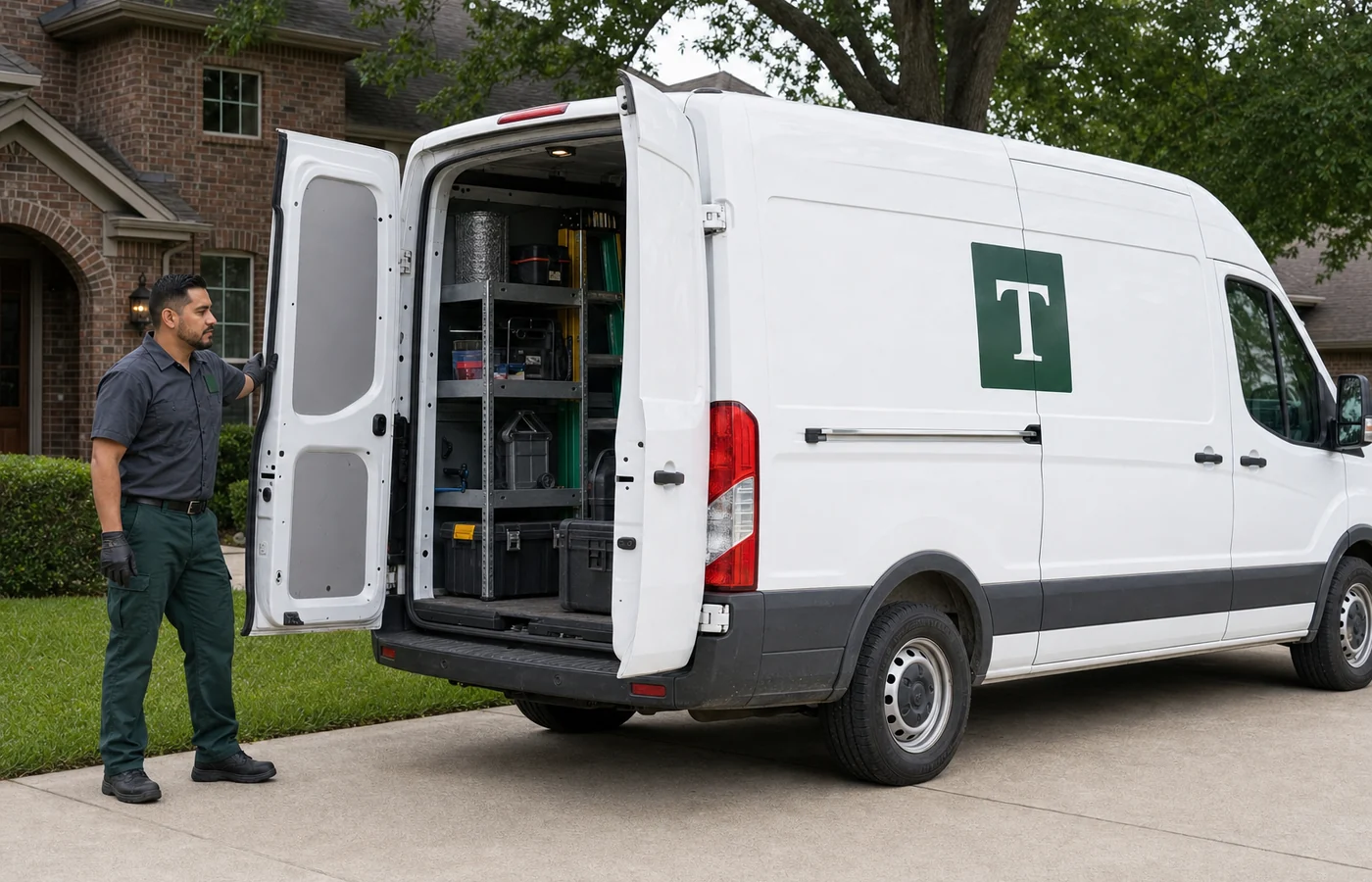
Active interior rodent and stinging-insect concerns receive priority review.
“They showed us the actual opening, explained which evidence matched it, and fixed that, not every square foot of the house.”Fictional review from Morgan C., Houston
The technician standard
The recommendation comes with a reason.
Every fictional Trace visit closes with the observed evidence, photos where useful, the approved scope, and what to watch next. The homeowner should understand the work before it begins.
- Property-specific inspection notes
- Written findings and service options
- Completion record and follow-up point

Houston inspection desk
Start with the evidence.
Tell us where you saw it, when it appears, and what changed. We will prepare the right inspection window.